Welcome to the Official Unified Website of the ICGLR Minerals Tracking and Certification Scheme.

About The ICGLR

For Peace, Security, Stability and Development

The International Conference on the Great Lakes Region (ICGLR) is an inter-governmental organization of the countries in the African Great Lakes Region. Its establishment was based on the recognition that political instability and conflicts in these countries have a considerable regional dimension and thus require a concerted effort in order to promote sustainable peace and development. Most notable among the conflicts that have had cross-border impacts or origins are the 1994 Rwandan genocide that led to the loss of more than 800,000 lives, and the political instability in DRC. These conflicts constituted a major threat to international peace and security.

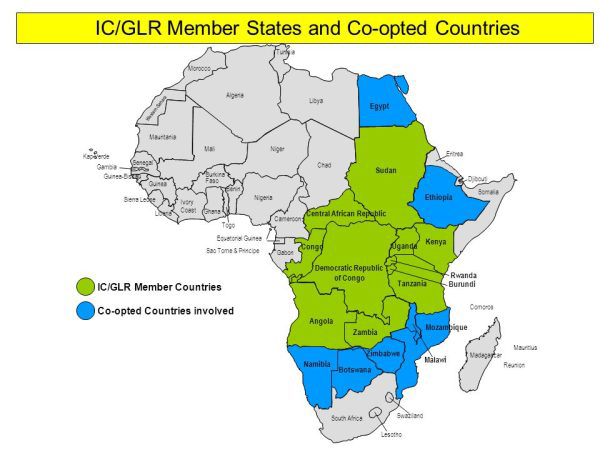
The organization is composed of twelve member states, namely: Angola, Burundi, Central African Republic, Republic of Congo, Democratic Republic of Congo, Kenya, Uganda, Rwanda, Republic of South Sudan, Sudan, Tanzania and Zambia.

The Heads of State and Government convened once again in Nairobi in 2006 to sign the Pact on Security, Stability and Development in the Great Lakes Region. The Pact included the Dar es Salaam Declaration, Programmes of Action and Protocols. This marked the end of the preparatory phase and ushered in the implementation period.
The ICGLR Executive Secretariat celebrated its inauguration in May 2007 at its headquarters in Bujumbura, Burundi. Its responsibility is to coordinate, facilitate, monitor and thereby ensure the implementation of the Pact in order to attain peace, security, political stability and development in the Great Lakes Region.

>>> Declaration on Peace, Security and Development in the Great Lakes Region.
ICGLR International Partners

The partners provide technical and financial support to the Conference Secretariat in the implementation of its activities.

During the foundational years of the ICGLR, there existed a Group of Friends (GOF) of the ICGLR, which brought together 27 countries and the EU and the African Union, which were active in the Great Lakes Region. These were Austria, Belgium, Canada, China, Denmark, the European Commission, Finland, France, Gabon, Germany, Greece, the Holy See, Ireland, Italy, Japan, Kuwait, Luxembourg, the Netherlands, Nigeria, Norway, Portugal, Russia, South Africa, Spain, Sweden, Switzerland the United Kingdom, the United States of America. It worth mentioning that recently the Republic of Turkiye joined the ICGLR Group of friends.

This brought together a combination of donor countries and international organisations. The group provided political, diplomatic, financial and technical support to the ICGLR from December 2003, which led first to the signing of the Dar es Salaam Declaration in November 2004, and thereafter to the signing of the Pact in Nairobi in 2006.

The organization has collaboration with various organizations including the UN and its specialized agencies such as UNDP, UNFPA, UNHCR, UN Women, UNECA and the World Bank.

Some of other partners that the ICGLR is currently collaborating with include:

Peace And Security

The ICGLR is committed to ensure sustainable peace and security in the whole Region of the Great Lakes, in the framework of the Program of Action for Peace and Security, which is aimed at:

Promoting the joint management of the security of common borders.
Promoting, maintaining and enhancing cooperation in the fields of peace, conflict prevention and the peaceful settlement of disputes.
Promoting inter-State cooperation on general security issues including combating the illicit proliferation of small arms and light weapons, preĀ­venting and combating organized transnational criminal activities and terrorism.

Economic Development and Regional Integration

Head of States undertook to jointly promote a prosperous, integrated economic space, to improve the standard of living of the populations and to contribute to the development of the region by implementing the Programme of Action for Economic Development and Regional Integration with the aim of:

Promoting cooperation and economic integration by harmonizing and coordination national and regional policies with relevant regional economic communities so as to improve stability and economic competitiveness and to reduce poverty.
Developing common infrastructure in the areas of energy, transport and communications.
Promoting local regional integration by strengthening multi-sectoral cooperation and solidarity among the border populations of neighbouring states.

Cross Cutting Issues

Cross-Cutting Issues Program dwells on the Human Rights, Prevention and Suppression of the Crime of Genocide and Other Mass Atrocities, Gender, Environment, HIV/AIDS, STDs, Malaria, Tuberculosis, Human Settlements and youth themes.
Furthermore, in carrying out its tasks, the Program also has the task of ensuring that these various issues are well integrated and taken into account in the activities of the four flagship programs of the Conference Secretariat, namely: Peace and Security, Democracy and Good Governance, Regional Integration and Economic Development, Humanitarian and Social Issues.

Democracy and Good Governance

The ICGLR committed to entrench values, principles and norms on democracy, good governance and respect for human rights in the framework of Programme of Action for Democracy and Good Governance in order to:

Establish regional mechanisms which work together to strengthen the rule of law in the region, to promote human rights and combat impunity.
Consolidate the democratization process by enhancing institutional capacity, by promoting political participation of all segments of society, and by developing and implementing communication and information strategies.
Harmonize and coordinate policies on the protection and rational management of natural resources in the region.

Humanitarian social and environment issues

The ICGLR is committed to finding lasting solutions to guarantee protection and assistance to populations affected by political conflicts as well as by humanitarian, social and environmental catastrophes by implementing a Programme of Action on Humanitarian, Social and Environmental aimed at:

Promoting policies aimed at disaster prevention, protection, assistance and the search for durable solutions for refugees and internally displaced persons as well as their environment.
Promoting relevant policies to guarantee access to basic social services by the populations affected by conflicts and effects of natural disasters.

Gender, Women and Children

Head of States committed to ensure the observance of the standards and principles of international humanitarian law particularly those related to the protection of women and children by implementing the Protocol on the Prevention and Suppression of Violence against Women and Children in order to:

Combat Sexual violence against women and children through prevention, criminalization and punishment of acts of sexual violence in accordance with national laws and international criminal law.
Ensure the implementation of gender projects in the area of strengthening the role of women in conflict prevention, resolution and peace building as well as political processes.
Regional Centres:

The ICGLR has regional centers in Bujumbura (Burundi), Kampala (Uganda), Lusaka (Zambia), and Goma (DRC).

More Facts about the ICGLR:

>>> The Pact

>>> Vision and Mission

>>> The ICGLR Structure

>>> The Management

>>> SFRD: Special Fund of Reconstruction and Development

>>> ICGLR Quick Facts

>>> ICGL Decentralized Organs

>>> ICGLR Forums: (Parliamentarian, Civil Society, Women, Private Sector, Youth, Genocide Prevention Committee)

About ICGLR Minerals Protocol

Regional Initiative on the fight against the Illegal Exploitation of Natural Resources

The Great Lakes Region is a frequently cited example of the paradox of plenty. On the one hand, it disposes of substantial amount of natural resources which are in great demand on the global market. On the other hand, the region’s recent history has been marked by the disastrous effects of armed conflicts. So far, the abundance of natural resources has not yet been transformed into inclusive socio-economic wellbeing.

The key problem of this predicament is the missing linkage between the supply chain of natural resources and the formal economy of the ICGLR Member States. The exploitation and trade within the region are all too frequently conducted illegally. Consequently, the wealth deriving from natural resources is very unequally distributed and often finances rebel activities which further destabilise the region.

In response to the persistent problem of socio-economic inequality and the trade of conflict minerals, the ICGLR has developed a comprehensive approach to put an end to the exploitative use of natural resources. The Regional Initiative against the Illegal Exploitation of Natural Resources (RINR), – referred to as the Initiative, – particularly aims at breaking the link between mineral revenues and rebel financing.

The Initiative operates six specific tools in its effort to curb the illegal exploitation of natural resources in the Great Lakes Region. This approach was designed by the ICGLR Conference Secretariat and thereafter officially approved by the twelve Heads of State and Government of the ICGLR Member States. The considerable successes that the Initiative has achieved since then are evidence of the utter utility of these tools which are hereafter described in detail.

The Regional Initiative on the fight against the Illegal Exploitation of Natural Resources comprised of Tools as adopted by the Special Summit of ICGLR Heads of State and Government in Lusaka, Zambia in December 2010. The Six Tools are as follows:

  • Tool 1: Regional Certification Mechanism.
    1. Mine Site Inspection and Certification
    2. Mineral Chain of Custody (CoC) Tracking
    3. Export and Certification Procedures
    4. Regional Mineral Tracking via an ICGLR Database
    5. Third Party Audits
  • Tool 2: Harmonisation Of National Legislations.
  • Tool 3: Regional Database On Mineral Flows.
  • Tool 4: Formalisation Of Artisanal Mining Sector.
  • Tool 5: EITI Peer Learning Mechanism.
  • Tool 6: Whistle-Blowing Mechanism.

>> More Details <<

Download >>>

International Conference on the Great Lakes Region (ICGLR) Protocol Against the Illegal Exploitation of Natural Resources..

Download >>>

Overview Of The ICGLR Regional Initiative On The Fight Against The Illegal Exploitation Of Natural Resources.

ICGLR Countries
0
Certifying Countries
0
Support Centers
0
Enforcing Countries
0

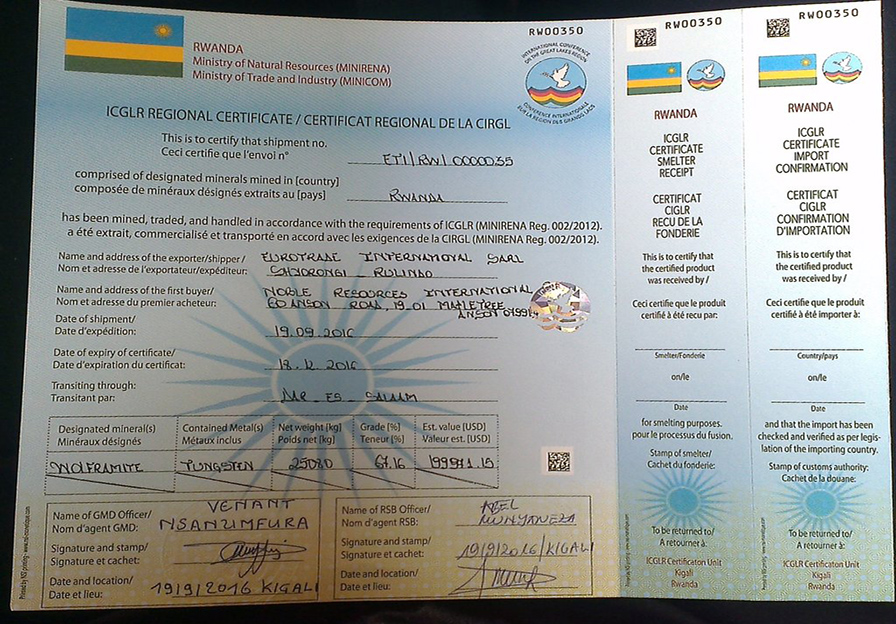
ICGLR Certificate

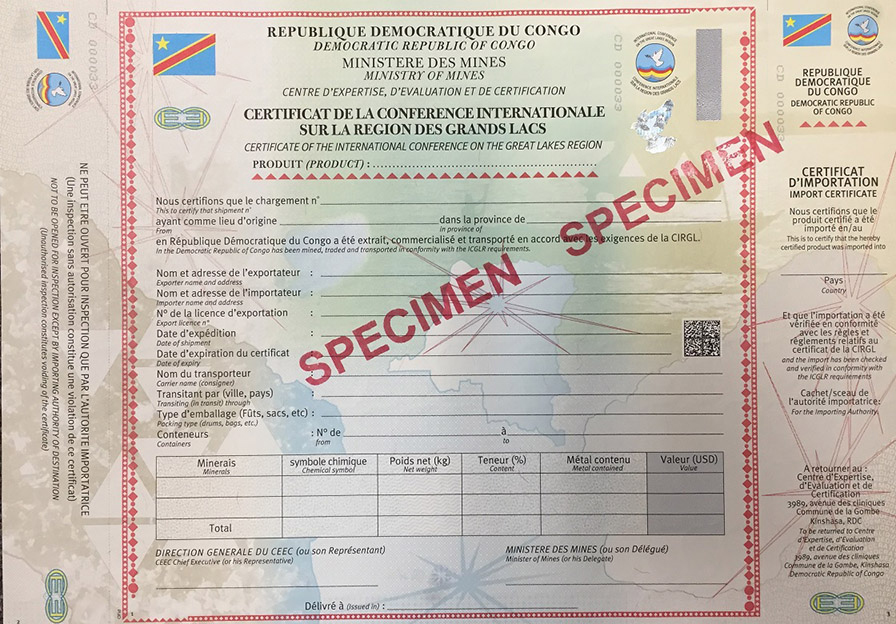
Certificate Samples

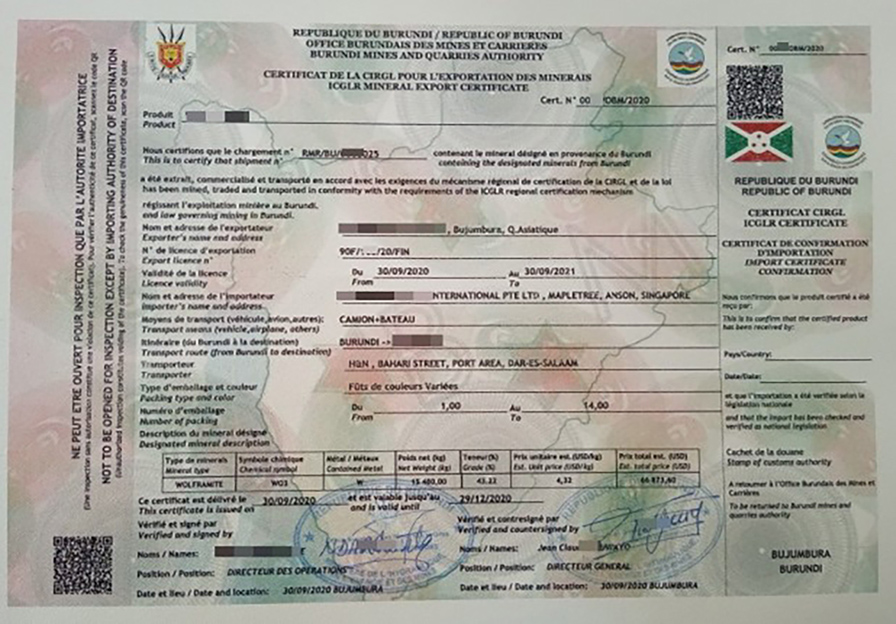
Currently the 3 models ICGLR avalaible as per certifying countries.

Democratic Republic of Congo

Republic of Rwanda

Republic of Burundi

Certificate Tracking

Combined Tracking System for all countries ICGLR Certificate.

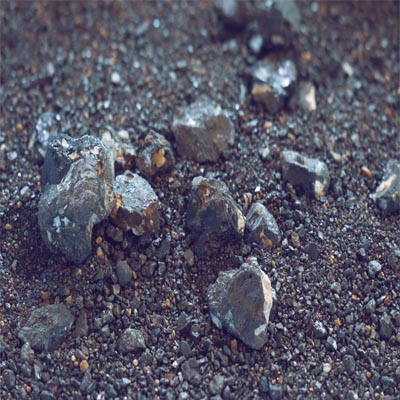
Tin (Sn)

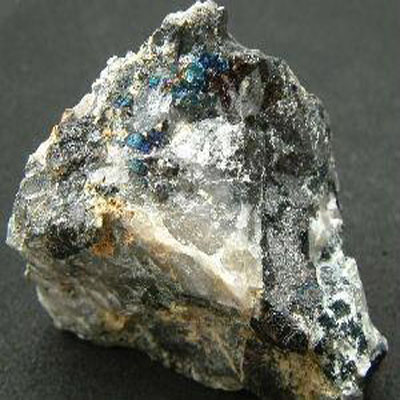
"Cassiterite is a primary source of tin, found in areas like North and South Kivu and Maniema in the DRC. I is also found in Certain parts of Rwanda and Burundi."

Tantulum (Ta)

"Coltan, a mineral rich in tantalum, is found in Rwanda and also found in DRC's North and South Kivu and Maniema."

Tungsten (W)

"Wolframite is a source of tungsten, found in Rwanda and DRC's provinces of North and South Kivu and Maniema. "

Gold (Au)

"Gold deposits are found in various locations in the region, such as Uganda, Rwanda, including Ituri, North and South Kivu in the DRC."

Cobalt (Co)

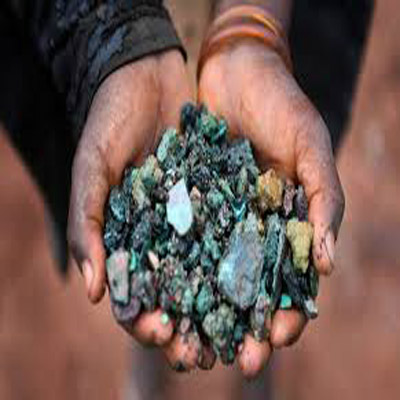
"The DRC holds vast reserves of cobalt, particularly in the Katanga region, and is a major global produce."

Copper (Cu)

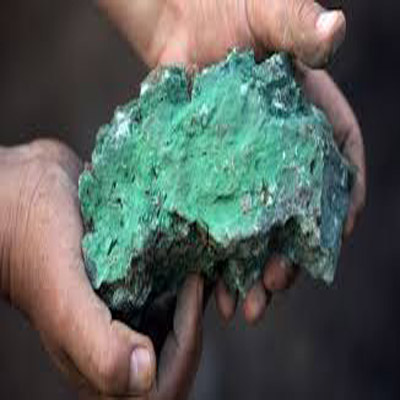
"Katanga in the D.R.C host a large deposit of copper. The minerals are also found in Zambia."

Diamonds (C)

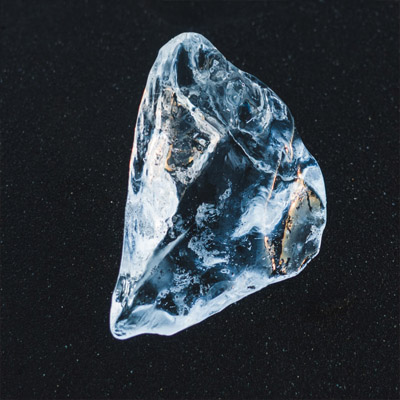
"Diamonds are mined in Angola and the DRC, with North Kivu being a notable area."

Bauxite (Al)

"Bauxite, an ore of aluminum, is also found in the region."

Manganese (Mn02)

"Manganese deposits are present."

Phosphate (PO 4 3)

"Phosphate is another mineral found in the region."

Contact

ICGLR Unified Certification Program

Address

No. 3839 Avenue Des Cliniques
Kinsasha/Gombe/
Dem Rep of Congo

Call \ Whatsapp

+243 840 464 882

Email

info@ceec-icglr.org